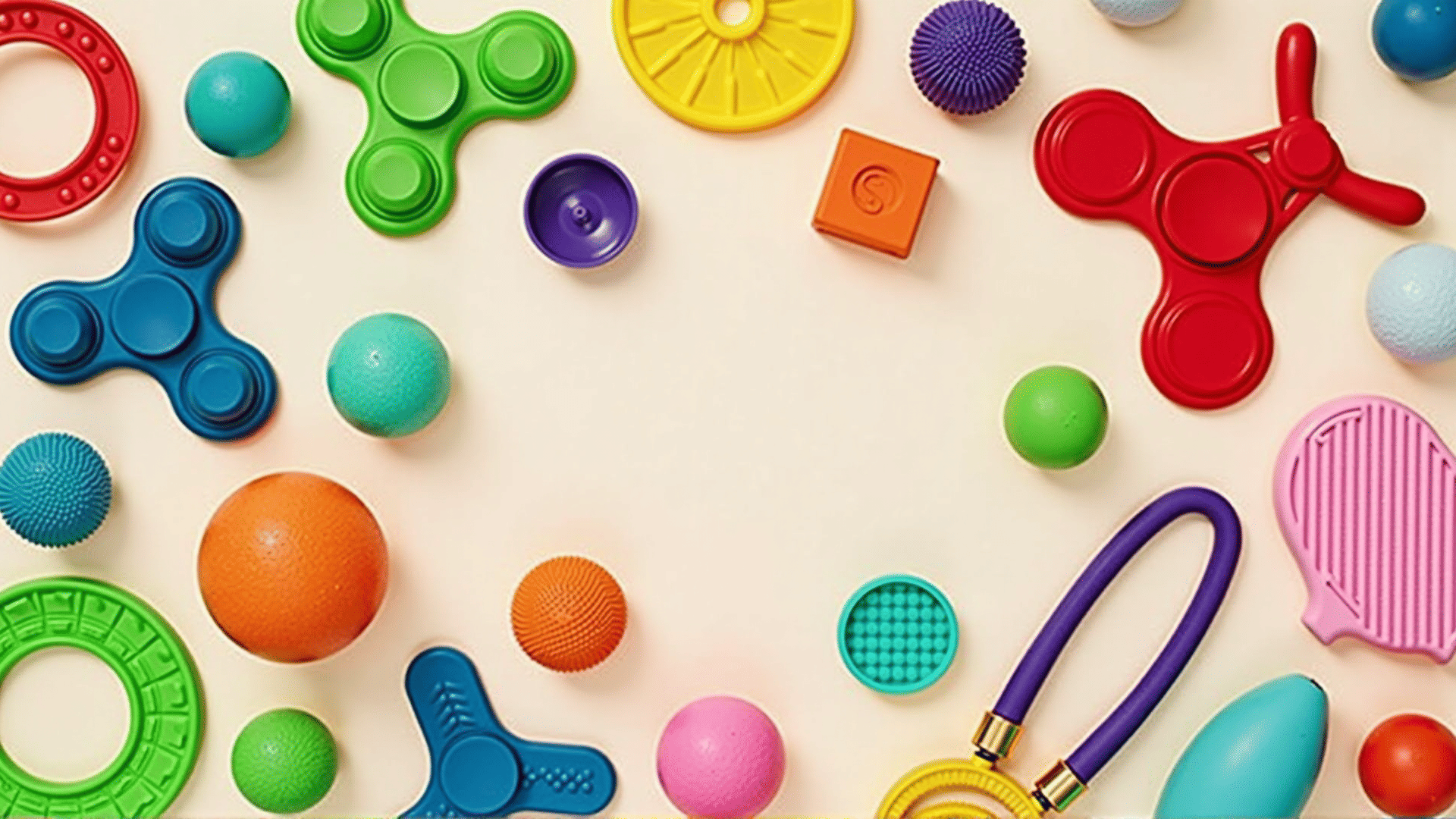
Fidget toys have gained popularity as tools for aiding concentration and sensory development, particularly in individuals with ADHD. These unassuming gadgets, which range from spinners to stress balls, provide more than simple amusement. They tap into fundamental cognitive processes that help individuals focus and self-regulate.
The advent of fidget toys as therapeutic tools is rooted in sensory integration theory. This theory suggests that individuals require balanced sensory input to maintain focus and cognitive balance. For people with ADHD, who often experience sensory overload or underload, fidget toys serve as an effective means to modulate these sensory inputs. By providing tactile feedback, these tools allow the brain to filter out distractions and focus on a singular task.
Several studies suggest that some individuals achieve better concentration and perform tasks more efficiently when engaging in a secondary task, like manipulating a fidget toy. This counterintuitive concept aligns with the principle of "stimming," often observed in neurodivergent individuals. Such repetitive movements can create a calming effect, channeling excess energy in a way that makes concentration on primary tasks more manageable.
Beyond tactile stimulation, fidget toys also engage the brain's reward system. The repetitive movements and the slight resistance offered by some toys release dopamine. This neurotransmitter is critical for concentration and motivation, which can be particularly beneficial for individuals with ADHD, who typically have lower baseline levels of dopamine.
It's important to acknowledge the diverse nature of fidget toys. Some, such as spinning gadgets, are visually stimulating and can suit individuals who are visually oriented. Others, like squeeze balls, provide a tactile sensation best suited for those who find comfort in touch. This variety allows individuals to select tools tailored to their specific sensory needs, optimizing their ability to concentrate.
In addition to aiding focus, fidget toys can also facilitate learning. By occupying their hands, users might find that their cognitive load is more evenly distributed, sparing mental energy for retaining information and processing new concepts. This can be particularly advantageous in classroom settings or during long periods of desk work.
The role of fidget toys in promoting concentration and sensory development is underscored by their capacity to engage multiple senses and support cognitive equilibrium. These tools function not just as objects of distraction, but as mechanisms that align sensory input with the brain's need for stimulation and focus. As awareness of their benefits grows, they continue to be a valuable resource in the toolkit for enhancing attention and managing the challenges posed by cognitive diversities like ADHD.